

European Emigration to the Americas: 1492 to Independence: A Hemispheric View
MIA KARTS BOOKS

- Vendor: Mia Karts
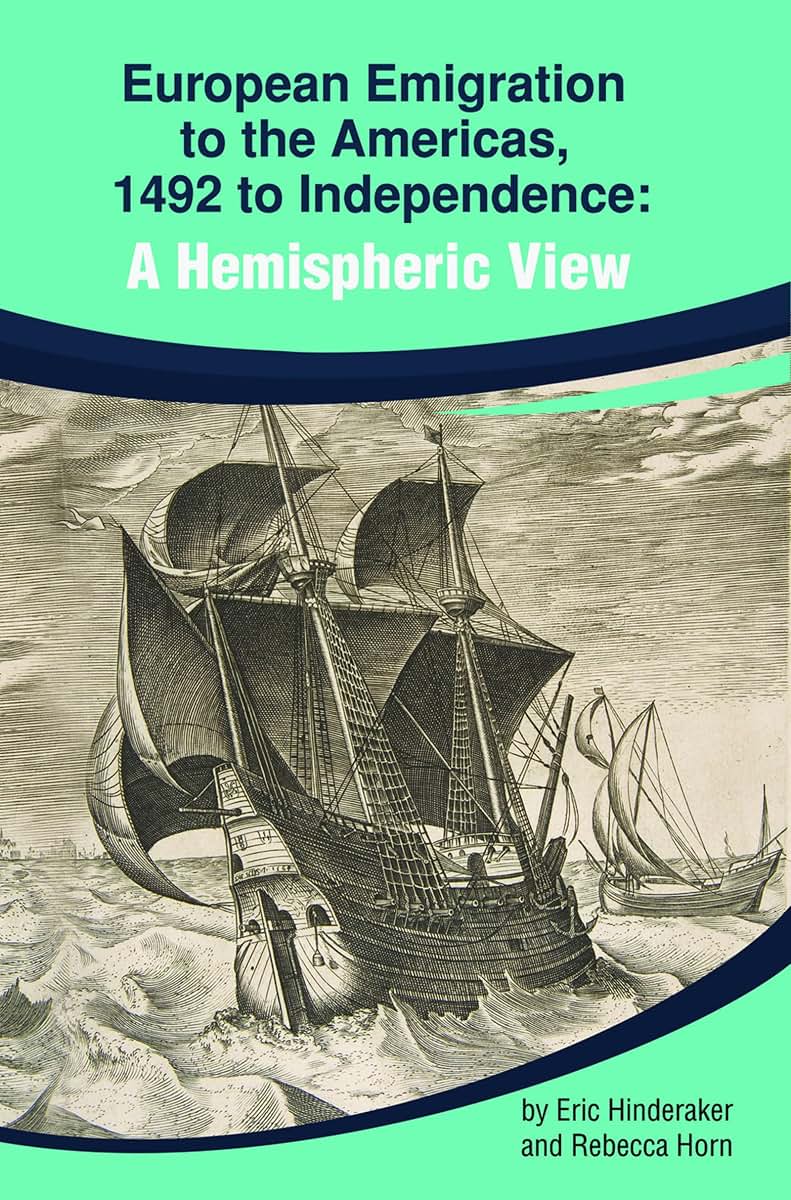
European Emigration to the Americas: 1492 to Independence: A Hemispheric View
Book Details
- Author
- Eric Hinderaker
- Publisher
- OXFORD UNIVERSITY PRESS
- Format
- Paperback
- Language
- English
- Category
- United States
- Condition
- New
- ISBN-13
- 9780872292871
- ISBN-10
- 0872292878
Free U.S. shipping on all orders. International shipping is calculated at checkout.
ISBN: 0872292878
Author: Hinderaker, Eric
Condition: New
European colonization of the Americas was shaped by three mass demographic transformations: the catastrophic decline of Native American populations, the forced migration of enslaved Africans, and the mass relocation of European populations to American settings. This essay focuses on the third of these developments. While European emigration to the Americas can be seen as a single, widely differentiated but coherent whole, most scholarship treats it in fragments. We offer a hemispheric perspective on the process of European emigration, considering all of the Americas from 1492 until circa 1800, when most of the hemisphere was becoming independent of direct European rule. We argue that this migration unfolded in three long eras. The foundations of colonial enterprise were laid in the sixteenth century, especially in the two great population centers of the Americas, where the Aztecs and Incas had already established thriving empires. The seventeenth century saw a dramatic proliferation of colonial sites, widespread experimentation with new labor regimes and patterns of social organization, and an acceleration of transatlantic immigration. By the eighteenth century, the essential characteristics of the various colonies were becoming clear and many regions experienced growth and diversification as emigrants responded to new transatlantic opportunities.
Have a question?
European Emigration to the Americas: 1492 to Independence: A Hemispheric View
You May Also Like
More in American History